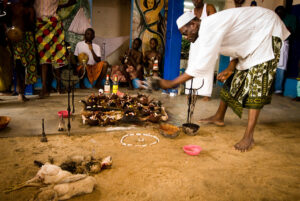
Introduction: Beyond Myths and Misunderstandings
When people hear the word Voodoo, images shaped by cinema, fear and misunderstanding often come to mind. Yet few know that the true roots of Voodoo — more accurately called Vodun — lie in Benin, West Africa.
Vodun is not superstition.
It is not dark magic.
It is a sacred ancestral system that has guided communities for centuries.
To understand Voodoo, one must return to Benin — the spiritual cradle of this ancient tradition.
Benin: The Birthplace of Vodun
Vodun was born in the lands of ancient Dahomey, present-day Benin. Long before colonization, Vodun structured society, governed ethics, explained nature and connected the living to their ancestors.
In Benin, spirituality was never separate from daily life.
Vodun was:
a way to understand destiny,
a system to maintain balance between humans and nature,
a bridge between the visible and invisible worlds.
This spiritual knowledge was transmitted orally through generations by priests, elders and initiated lineages.
Vodun: A Living Ancestral System
Vodun is often misunderstood as the worship of spirits. In reality, it is a complex cosmology based on natural forces and ancestral energies.
Each Vodun represents an aspect of existence:
Legba, guardian of crossroads and communication
Dan, the cosmic serpent, symbol of continuity and balance
Sakpata, associated with the earth, justice and healing
Heviosso, force of thunder and divine authority
Mami Wata, linked to water, intuition and prosperity
These forces are not “gods” in the Western sense. They are principles of life, expressions of the universe itself.
Tradition: Knowledge Passed Through Generations
Vodun is rooted in tradition, not texts.
Its knowledge lives in:
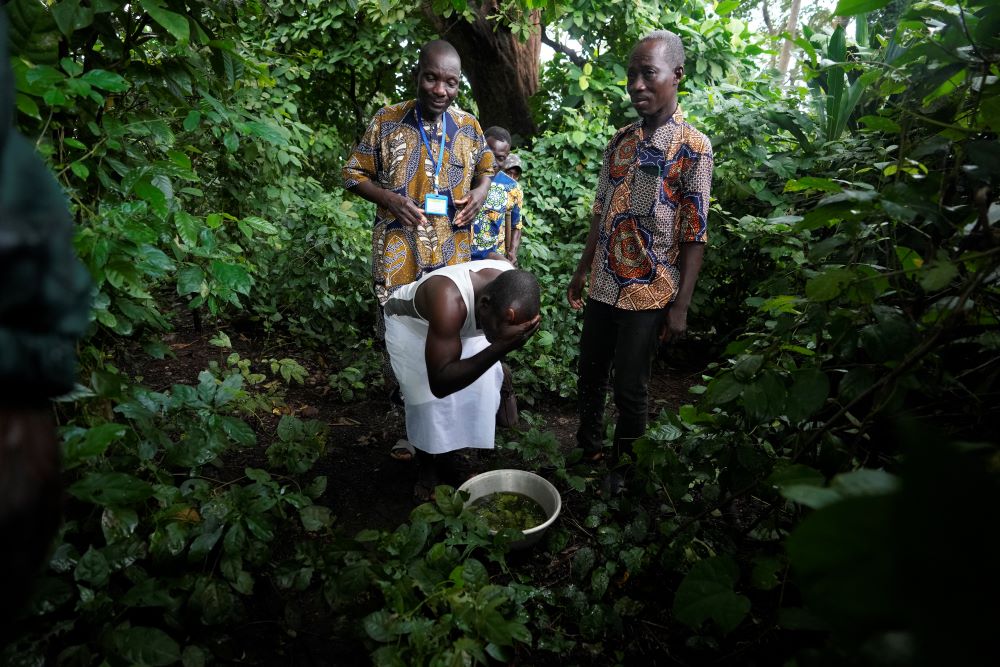
Initiation is a sacred process, and not all knowledge is meant to be public. This respect for boundaries has preserved the integrity of Vodun across centuries.
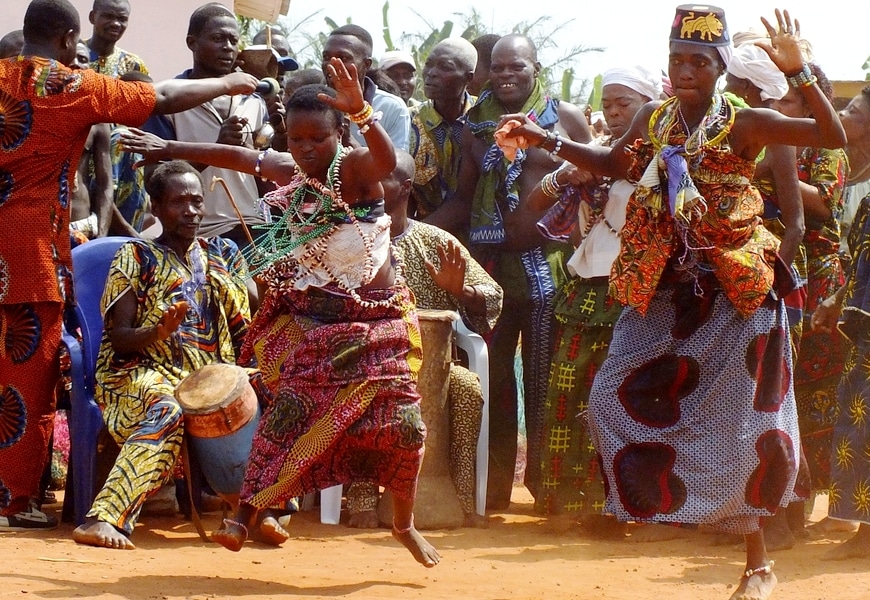
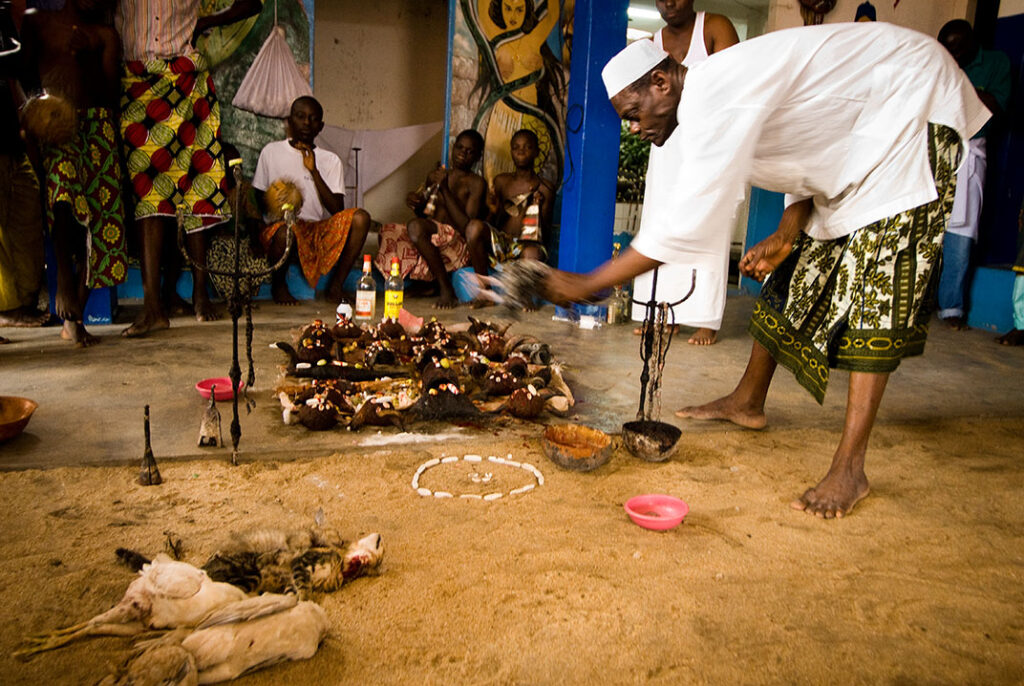
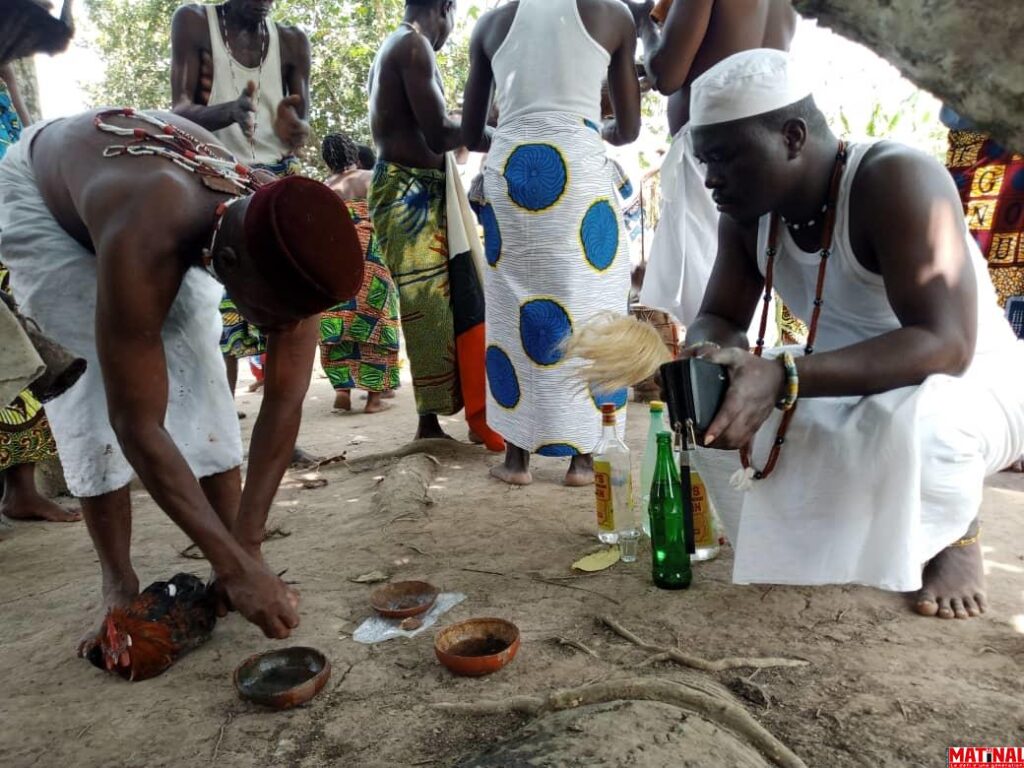
In Benin, Vodun festivals, temples and ceremonies continue to be practiced openly — not as folklore, but as living culture.
Power: Not Domination, but Balance
The power of Vodun does not seek control over others.
Its true strength lies in alignment.
Vodun power is about:
This spiritual power is ethical, communal and deeply rooted in responsibility.
From Benin to the World: The Diaspora Journey
During the transatlantic slave trade, millions of Africans were forcibly displaced. Along with them traveled their spiritual knowledge.
Vodun crossed the ocean and transformed:
Though adapted to new lands, these traditions trace their spiritual lineage back to Benin.
Ancestral Legacy in the Modern World
Today, Vodun remains alive in Benin and across the diaspora. It is increasingly recognized as:
In 1992, Benin officially recognized Vodun as a religion, and January 10th is celebrated as National Vodun Day — a powerful affirmation of ancestral dignity.
Reclaiming Truth and Respect
As global interest grows, it is essential to protect Vodun from distortion, commercialization and misinformation.
Vodun is not a trend.
It is not entertainment.
It is an ancestral legacy deserving respect.
Understanding its roots is the first step toward honoring its truth.
Conclusion: Returning to the Source
To truly understand Voodoo, one must return to its source.
Benin is the heart.
Vodun is the root.
Ancestral wisdom is the legacy.
By reconnecting with this knowledge, we reconnect with Africa’s spiritual memory — alive, powerful and timeless.